Sleep quiz
Book an appointment
Sleep quiz
Book an appointment
Welcome to our Sleep Clinic!
Get the quality sleep you deserve.
Contact Us
SleepAssured Icon
How well are you Sleeping?
Take our quiz to find out!
Let's go!
Home » Sleep Habits Insight

Sleep Habits for Better Sleep

Sleep hygiene, or the practice of good sleep habits, is a combination of your sleep environment and habits. Not maintaining good sleep hygiene can lead to poor sleep quality and duration, often referred to as poor sleep hygiene or bad sleep hygiene. It involves adhering to a strict sleep schedule, establishing a bedtime routine, cultivating healthy habits, and creating a sleep-friendly bedroom environment. All these factors help in how to get good sleep.


Melatonin

Melatonin is a hormone that our brain’s pineal gland produces. It’s primarily tasked with managing our body’s circadian rhythm to control our natural sleep cycle. Here are some key points about how does Melatonin work:

  • Often referred to as the sleep hormone, Melatonin can aid in better sleep, making it a popular choice for those wondering how to get good sleep at night.
  • It assists individuals in falling asleep quicker and improves overall sleep quality, acting as a natural sleep aid.
  • Melatonin may alleviate symptoms of seasonal depression.
  • It’s readily available as an over-the-counter medication in numerous countries, often in the form of melatonin tablets or melatonin supplements.
  • Melatonin supplements are favored among individuals with insomnia and jet lag, making them a common choice for those seeking medication for insomnia.

Daytime Habits

Your daytime activities can influence your nighttime sleep. Here are some tips:

  • Daylight Exposure
    Spend at least 30 minutes in natural light every day. This helps regulate your body’s sleep-wake cycle.

  • Consistent Sleep Schedule
    Try to go to bed and wake up at the same time every day. This consistency can improve your sleep.

  • Nap Duration
    Limit your naps to 20 minutes and take them in the early afternoon. Late afternoon or evening naps can interfere with your nighttime sleep.

  • Healthy Diet
    Include fruits, vegetables, and whole grains in your diet. Proper nutrition can positively impact your sleep.

Daytime Habits

Sleep Assured Daytime Habits

Your daytime activities can influence your nighttime sleep. Here are some tips:

  • Daylight Exposure
    Spend at least 30 minutes in natural light every day. This helps regulate your body’s sleep-wake cycle.

  • Consistent Sleep Schedule
    Try to go to bed and wake up at the same time every day. This consistency can improve your sleep.

  • Nap Duration
    Limit your naps to 20 minutes and take them in the early afternoon. Late afternoon or evening naps can interfere with your nighttime sleep.

  • Healthy Diet
    Include fruits, vegetables, and whole grains in your diet. Proper nutrition can positively impact your sleep.

Bedroom Environment

The environment of your bedroom can significantly affect your sleep quality. Here are some tips to optimize it:

  • Comfortable Bedding
    Invest in a comfortable mattress and bedding that suits your needs.

  • Light Control
    Too much light can disrupt your sleep and body clock.

  • Noise Reduction
    A quiet bedroom is essential for good sleep.

  • Room Temperature
    A cooler room, around 18 to 20 degrees Celsius, is generally better for sleep.

Bedroom Environment

woman-with-laptop-near-sad-man

The environment of your bedroom can significantly affect your sleep quality. Here are some tips to optimize it:

  • Comfortable Bedding
    Invest in a comfortable mattress and bedding that suits your needs.

  • Light Control
    Too much light can disrupt your sleep and body clock.

  • Noise Reduction
    A quiet bedroom is essential for good sleep.

  • Room Temperature
    A cooler room, around 18 to 20 degrees Celsius, is generally better for sleep.

Sleep Schedule

A regular sleep schedule is crucial for good sleep:

  • Sleep Duration
    Aim for at least seven hours of sleep every night.

  • Wake-up Time
    Set an alarm to wake up at the same time every day.

  • Nap Time
    Keep your naps short, around 20 minutes.

Remember, while good sleep hygiene is important, it may not resolve all sleep problems. If you have concerns, it’s best to consult a sleep specialist near you. Despite this, improving sleep hygiene is a low-cost, risk-free strategy that can help combat sleep issues and insomnia.

Sleep Schedule

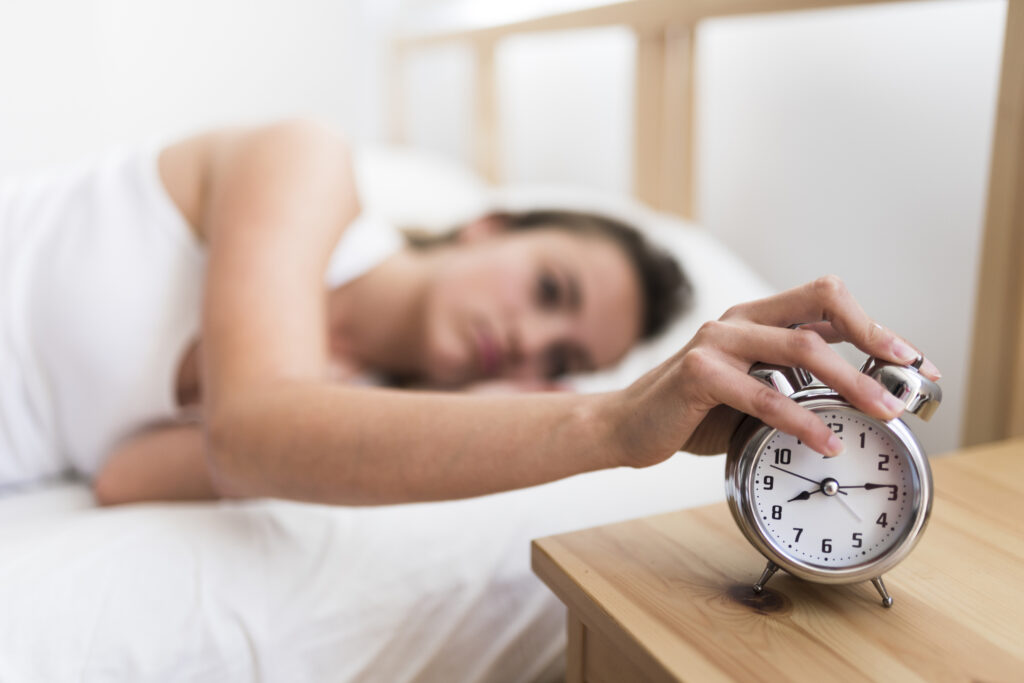
woman-lying-bed-turning-off-alarm-clock-bedroom

A regular sleep schedule is crucial for good sleep:

  • Sleep Duration
    Aim for at least seven hours of sleep every night.

  • Wake-up Time
    Set an alarm to wake up at the same time every day.

  • Nap Time
    Keep your naps short, around 20 minutes.

Remember, while good sleep hygiene is important, it may not resolve all sleep problems. If you have concerns, it’s best to consult a sleep specialist near you. Despite this, improving sleep hygiene is a low-cost, risk-free strategy that can help combat sleep issues and insomnia.

Alcohol and Caffeine

Your intake of alcohol and caffeine can have a significant impact on your sleep. Here’s what you need to know:

  • Caffeine Consumption
    Consuming caffeine during the day can decrease your sleep duration by about 10 minutes per cup. While caffeine can help you stay alert during the day, overuse can lead to poor sleep quality.
  • Alcohol Consumption
    Alcohol can lead to subpar sleep quality. Higher levels of alcohol consumption are linked to poorer sleep quality and shorter sleep duration.
  • Combined Use
    Interestingly, consuming both caffeine and alcohol in the same day may counteract each substance’s expected negative effect on sleep. However, this doesn’t mean that using caffeine to stay awake during the day and alcohol to fall asleep at night is a good idea. This practice, often called “self-medication,” can lead to a cycle where you need more caffeine each morning to feel alert after poor sleep, and then more alcohol each evening to counteract the day’s caffeine. Over time, this can lead to deteriorating sleep quality and overall health.

Sleep Chronotype

Your sleep chronotype, whether you’re a Lion, Bear, Wolf, or Dolphin, can significantly influence your sleep quality and daily productivity. Here are some insights:

  • Chronotype Identification
    Recognize your natural sleep-wake pattern. Are you a Lion who wakes up early, a Bear whose sleep aligns with the sun, a Wolf who is a night owl, or a Dolphin who is a light sleeper? This understanding can help regulate your sleep-wake cycle.
  • Genetic Role
    Acknowledge that your sleep chronotype is influenced by genetics and driven by your circadian rhythm. This can affect your sleep quality and daily performance.
  • Activity Scheduling
    Align your activities with your chronotype. For instance, if you’re a Lion, schedule demanding tasks for the morning. This can enhance your productivity and energy levels.
  • Lifestyle Adjustment
    Adapt your lifestyle to your natural chronotype. This can improve your sleep quality, mood, and overall well-being.
  • Nutrition Balance
    Maintain a balanced diet that includes fruits, vegetables, and whole grains. Good nutrition can support your sleep cycle and overall health.

Understanding your chronotype and adjusting your lifestyle accordingly can lead to improved sleep, better productivity, and enhanced overall well-being.

Alcohol and Caffeine

Sleep Assured Caffeine at Night

Your intake of alcohol and caffeine can have a significant impact on your sleep. Here’s what you need to know:

  • Caffeine Consumption
    Consuming caffeine during the day can decrease your sleep duration by about 10 minutes per cup. While caffeine can help you stay alert during the day, overuse can lead to poor sleep quality.
  • Alcohol Consumption
    Alcohol can lead to subpar sleep quality. Higher levels of alcohol consumption are linked to poorer sleep quality and shorter sleep duration.
  • Combined Use
    Interestingly, consuming both caffeine and alcohol in the same day may counteract each substance’s expected negative effect on sleep. However, this doesn’t mean that using caffeine to stay awake during the day and alcohol to fall asleep at night is a good idea. This practice, often called “self-medication,” can lead to a cycle where you need more caffeine each morning to feel alert after poor sleep, and then more alcohol each evening to counteract the day’s caffeine. Over time, this can lead to deteriorating sleep quality and overall health.

Conclusion

If you’re having trouble with sleep, it’s best to consult a sleep doctor near you. Sleep Assured can provide personalized advice and treatment options based on your specific needs and lifestyle.

To summarize, here’s more than 10 healthy sleep habits to better sleep hygiene:

  1. Consistent Sleep Schedule: Aim for a regular sleep and wake time every day, including weekends.
  2. Relaxing Bedtime Routine: Engage in calming activities before bed such as a warm bath, gentle yoga, meditation, or reading.
  3. Limit Screen Time: Avoid electronic devices before bed as the blue light they emit can disrupt your sleep.
  4. Regular Exercise: Physical activity can help you fall asleep faster and enjoy more restful sleep.
  5. Monitor Caffeine and Alcohol: Both substances can disrupt your sleep.
  6. Optimize Your Sleep Environment: Make sure your bedroom is comfortable, dark, quiet, and cool.
  7. Limit Daytime Naps: Long naps during the day can interfere with your nighttime sleep.
  8. Manage Stress: Techniques like meditation, deep breathing, or yoga can help you relax and manage stress, promoting better sleep.
  9. Avoid Large Meals Before Bed: Eating a big meal close to bedtime can cause discomfort and disrupt your sleep.
  10. Manage Light Exposure: Get plenty of natural light during the day and keep your bedroom dark at night to help regulate your sleep-wake cycle.
  11. Avoid Stimulating Activities Before Bed: Activities that stimulate your body or mind can make it harder to fall asleep.
  12. Relaxation Techniques: Engage in relaxing activities like reading, listening to calming music, or practicing mindfulness to wind down before sleep.
  13. Keep Electronics Out of the Bedroom: The light and noise from electronic devices can disrupt your sleep.
  14. Reduce Awake Time in Bed: If you can’t sleep, get out of bed and do something relaxing until you feel tired.
  15. Stick to a Sleep Schedule: This helps regulate your body’s clock and could help you fall asleep and stay asleep for the night.


Remember, everyone is different, so some of the above tips may help to sleep fast or you might need to try a few different strategies to see what works best for you. If you’re still having trouble sleeping, don’t hesitate to speak with your doctor or find a sleep doctor near you. You could have a sleep disorder or other medical condition that’s disrupting your sleep.

Talk to us today at Sleep Assured to see how we can treat your sleep problems.

Book an appointment for better sleep

Book An Appointment


This will close in 20 seconds

Scroll to Top