
Sleep Challenges or Sleep Disturbances
How Snoring Affects Sleep
Snoring is a common phenomenon during sleep, but its impact goes beyond mere noise. Let’s explore how snoring affects our restful slumber:
-
Disrupted Sleep Patterns
+ Snoring can lead to fragmented sleep, preventing us from reaching deep, restorative sleep stages.
+ Frequent awakenings due to snoring disrupt the natural sleep cycle, leaving us feeling tired and groggy during the day. -
Reduced Oxygen Intake
+ Snoring often occurs due to partial airway obstruction.
+ As we snore, the airflow becomes turbulent, causing oxygen levels to drop temporarily.
+ This intermittent oxygen deprivation can strain the cardiovascular system and impair overall health. -
Partner Disturbance
+ Snoring not only affects the snorer but also their sleep partner.
+ The noise can lead to frustration, resentment, and even separate sleeping arrangements.
+ Relationship strain due to snoring is not uncommon.
How Snoring Affects Sleep
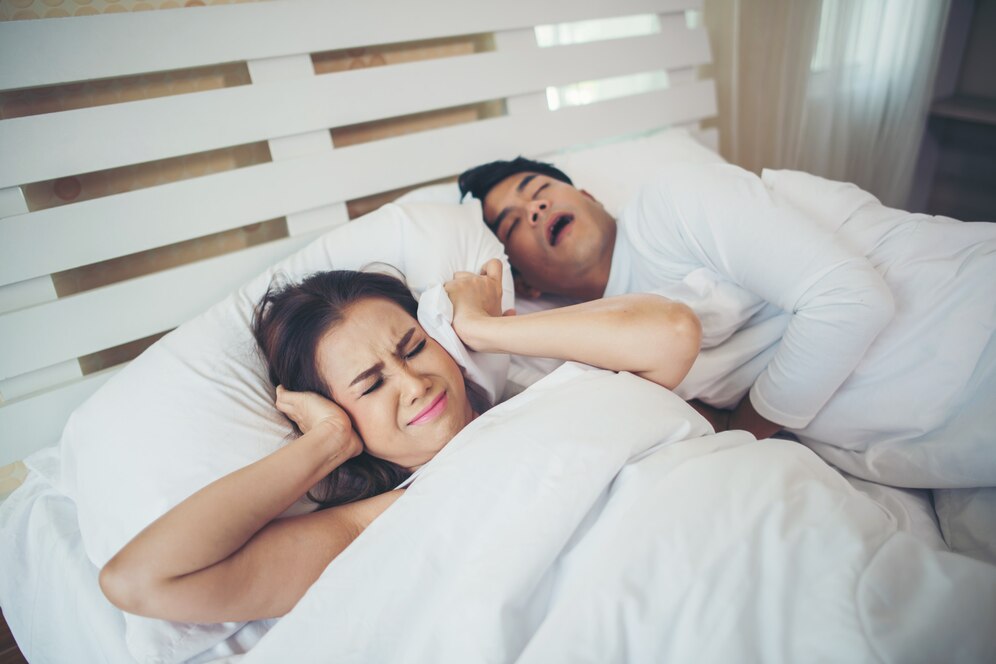
Snoring is a common phenomenon during sleep, but its impact goes beyond mere noise. Let’s explore how snoring affects our restful slumber:
-
Disrupted Sleep Patterns
+ Snoring can lead to fragmented sleep, preventing us from reaching deep, restorative sleep stages.
+ Frequent awakenings due to snoring disrupt the natural sleep cycle, leaving us feeling tired and groggy during the day. -
Reduced Oxygen Intake
+ Snoring often occurs due to partial airway obstruction.
+ As we snore, the airflow becomes turbulent, causing oxygen levels to drop temporarily.
+ This intermittent oxygen deprivation can strain the cardiovascular system and impair overall health. -
Partner Disturbance
+ Snoring not only affects the snorer but also their sleep partner.
+ The noise can lead to frustration, resentment, and even separate sleeping arrangements.
+ Relationship strain due to snoring is not uncommon.
How Devices and Electronics Affect Sleep
-
Blue Light Suppression of Melatonin
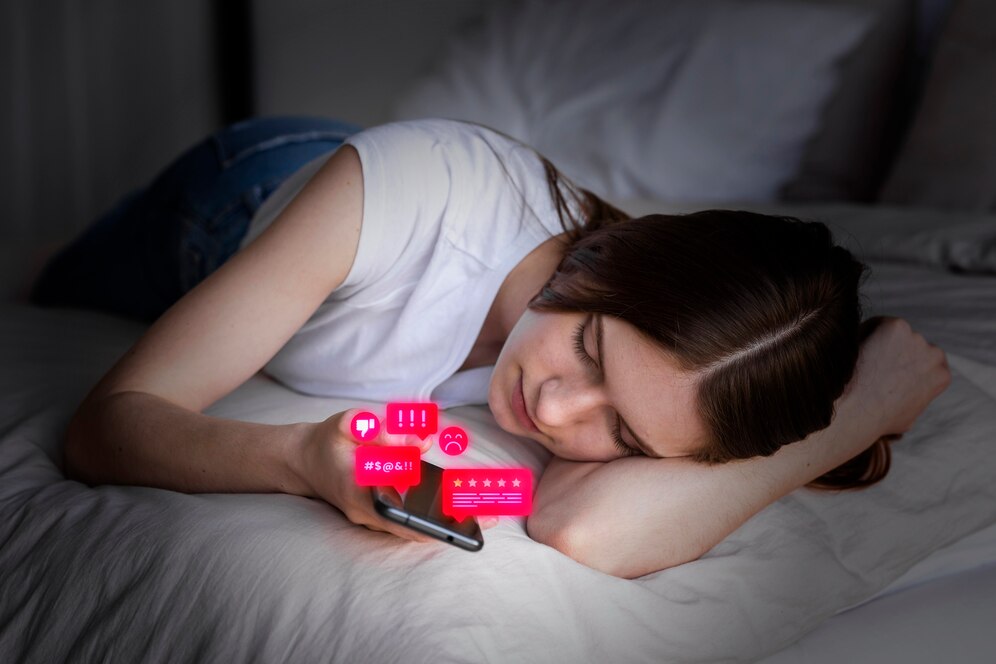
+ Electronic screens emit blue light, which suppresses melatonin production.
+ Melatonin is a hormone that regulates our sleep-wake cycle.
+ Exposure to screens before bedtime disrupts this natural rhythm, making it harder to fall asleep. -
Delayed Sleep Onset
+ Scrolling through social media or watching TV late at night delays sleep onset.
+ The brain remains alert, hindering the transition to restful sleep.
+ Aim for a screen-free period before bedtime to improve sleep quality. -
Circadian Rhythm Disruption
+ Our internal body clock relies on external cues like light and darkness.
+ Excessive screen time, especially in the evening, confuses our circadian rhythm.
+ Irregular sleep patterns can lead to fatigue, mood swings, and impaired cognitive function.
How Devices and Electronics Affect Sleep
-
Blue Light Suppression of Melatonin
+ Electronic screens emit blue light, which suppresses melatonin production.
+ Melatonin is a hormone that regulates our sleep-wake cycle.
+ Exposure to screens before bedtime disrupts this natural rhythm, making it harder to fall asleep. -
Delayed Sleep Onset
+ Scrolling through social media or watching TV late at night delays sleep onset.
+ The brain remains alert, hindering the transition to restful sleep.
+ Aim for a screen-free period before bedtime to improve sleep quality. -
Circadian Rhythm Disruption
+ Our internal body clock relies on external cues like light and darkness.
+ Excessive screen time, especially in the evening, confuses our circadian rhythm.
+ Irregular sleep patterns can lead to fatigue, mood swings, and impaired cognitive function.
Sleep Deprivation
-
Cognitive Impairment
+ Lack of sleep affects memory, attention, and decision-making.
+ Concentration wanes, leading to decreased productivity and increased errors. -
Mood Disturbances
+ Irritability, anxiety, and mood swings are common.
+ Chronic sleep deprivation may contribute to depression. -
Physical Health Impact
+ Increased risk of obesity, diabetes, and heart disease.
+ Immune system function declines, making us susceptible to infections. -
Safety Risks
+ Drowsiness impairs driving skills, leading to accidents.
+ Workplace accidents are more likely due to reduced alertness.
Sleep Deprivation

-
Cognitive Impairment
+ Lack of sleep affects memory, attention, and decision-making.
+ Concentration wanes, leading to decreased productivity and increased errors. -
Mood Disturbances
+ Irritability, anxiety, and mood swings are common.
+ Chronic sleep deprivation may contribute to depression. -
Physical Health Impact
+ Increased risk of obesity, diabetes, and heart disease.
+ Immune system function declines, making us susceptible to infections. -
Safety Risks
+ Drowsiness impairs driving skills, leading to accidents.
+ Workplace accidents are more likely due to reduced alertness.
Melatonin
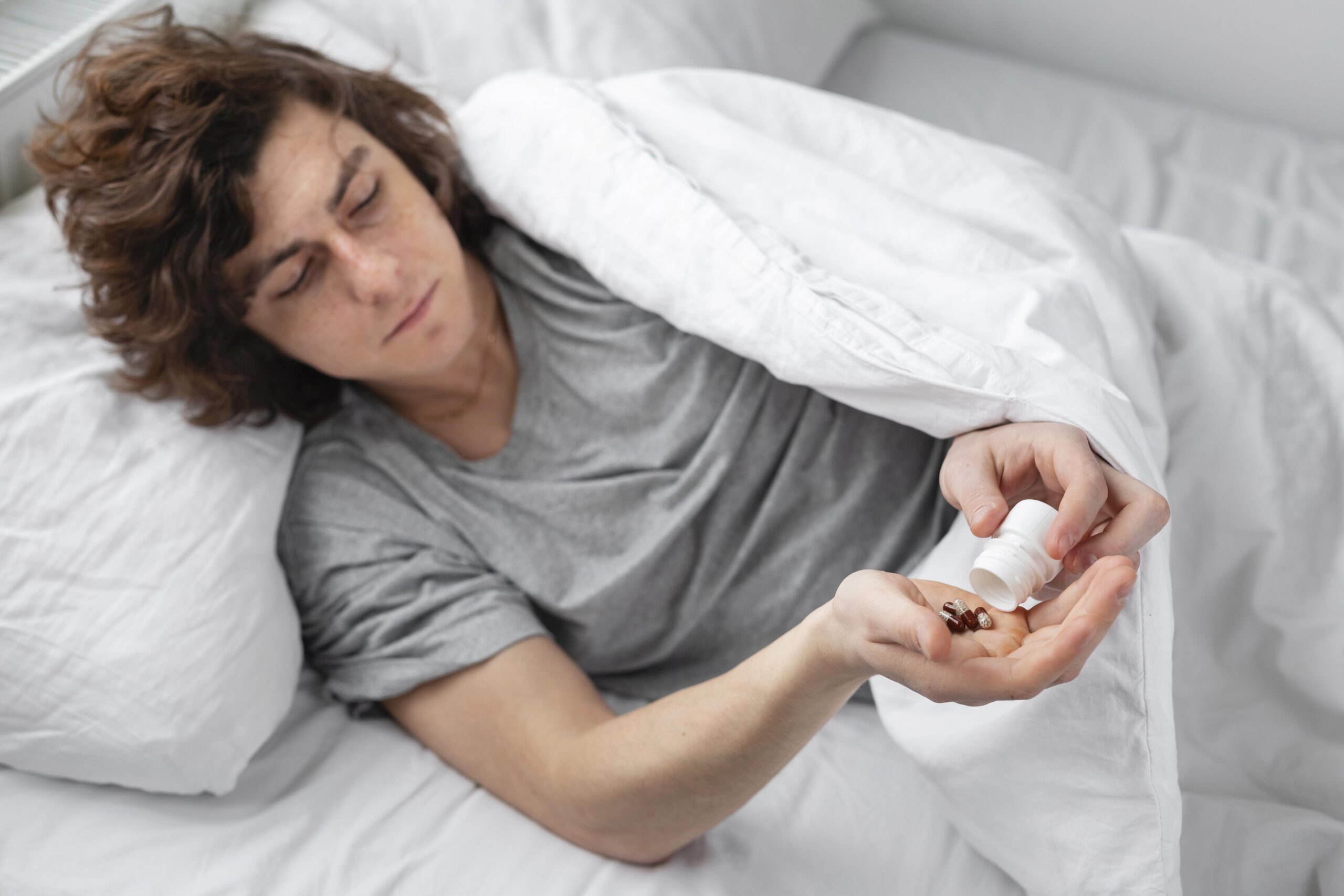
Melatonin is a hormone that our brain’s pineal gland produces. It’s primarily tasked with managing our body’s circadian rhythm to control our natural sleep cycle. Here are some key points about how does Melatonin work:
- Often referred to as the sleep hormone, Melatonin can aid in better sleep, making it a popular choice for those wondering how to get good sleep at night.
- It assists individuals in falling asleep quicker and improves overall sleep quality, acting as a natural sleep aid.
- Melatonin may alleviate symptoms of seasonal depression.
- It’s readily available as an over-the-counter medication in numerous countries, often in the form of melatonin tablets or melatonin supplements.
- Melatonin supplements are favored among individuals with insomnia and jet lag, making them a common choice for those seeking medication for insomnia.

Melatonin
Melatonin is a hormone that our brain’s pineal gland produces. It’s primarily tasked with managing our body’s circadian rhythm to control our natural sleep cycle. Here are some key points about how does Melatonin work:
- Often referred to as the sleep hormone, Melatonin can aid in better sleep, making it a popular choice for those wondering how to get good sleep at night.
- It assists individuals in falling asleep quicker and improves overall sleep quality, acting as a natural sleep aid.
- Melatonin may alleviate symptoms of seasonal depression.
- It’s readily available as an over-the-counter medication in numerous countries, often in the form of melatonin tablets or melatonin supplements.
- Melatonin supplements are favored among individuals with insomnia and jet lag, making them a common choice for those seeking medication for insomnia.
Melatonin
Melatonin is a hormone that our brain’s pineal gland produces. It’s primarily tasked with managing our body’s circadian rhythm to control our natural sleep cycle. Here are some key points about how does Melatonin work:
- Often referred to as the sleep hormone, Melatonin can aid in better sleep, making it a popular choice for those wondering how to get good sleep at night.
- It assists individuals in falling asleep quicker and improves overall sleep quality, acting as a natural sleep aid.
- Melatonin may alleviate symptoms of seasonal depression.
- It’s readily available as an over-the-counter medication in numerous countries, often in the form of melatonin tablets or melatonin supplements.
- Melatonin supplements are favored among individuals with insomnia and jet lag, making them a common choice for those seeking medication for insomnia.
Melatonin
Melatonin is a hormone that our brain’s pineal gland produces. It’s primarily tasked with managing our body’s circadian rhythm to control our natural sleep cycle. Here are some key points about how does Melatonin work:
- Often referred to as the sleep hormone, Melatonin can aid in better sleep, making it a popular choice for those wondering how to get good sleep at night.
- It assists individuals in falling asleep quicker and improves overall sleep quality, acting as a natural sleep aid.
- Melatonin may alleviate symptoms of seasonal depression.
- It’s readily available as an over-the-counter medication in numerous countries, often in the form of melatonin tablets or melatonin supplements.
- Melatonin supplements are favored among individuals with insomnia and jet lag, making them a common choice for those seeking medication for insomnia.
Melatonin
Melatonin is a hormone that our brain’s pineal gland produces. It’s primarily tasked with managing our body’s circadian rhythm to control our natural sleep cycle. Here are some key points about how does Melatonin work:
- Often referred to as the sleep hormone, Melatonin can aid in better sleep, making it a popular choice for those wondering how to get good sleep at night.
- It assists individuals in falling asleep quicker and improves overall sleep quality, acting as a natural sleep aid.
- Melatonin may alleviate symptoms of seasonal depression.
- It’s readily available as an over-the-counter medication in numerous countries, often in the form of melatonin tablets or melatonin supplements.
- Melatonin supplements are favored among individuals with insomnia and jet lag, making them a common choice for those seeking medication for insomnia.
Magnesium
Magnesium is a mineral that is naturally present in various foods and is also available as a supplement. It has been found to positively impact sleep. Here are some key points about Magnesium:
- Magnesium may foster better sleep by reducing the stress hormone cortisol, increasing a sleep-promoting hormone called melatonin, and aiding in the regulation of neurotransmitters for the central nervous system.
- Higher magnesium levels in the body are linked with better sleep, longer sleep times, and less daytime fatigue.
- Research involving older adults found that magnesium supplementation assisted with falling asleep quicker and protected against premature waking.
- Magnesium is found in foods like nuts, leafy greens, whole grains, dairy, and soy products.
Other Sleep Aids
Besides Melatonin and Magnesium, there are several other popular natural sleep aids which include GABA, tryptophan, 5-HTP, CBD and THC, valerian root and lavender. Each sleep aid has potential benefits and downsides, and it is crucial for individuals to be informed about their treatment options and consult with a sleep doctor near you about the best option.
Conclusion
Talk to a sleep doctor near you today. Explore our services by booking an appointment.